 A Proud Canadian Company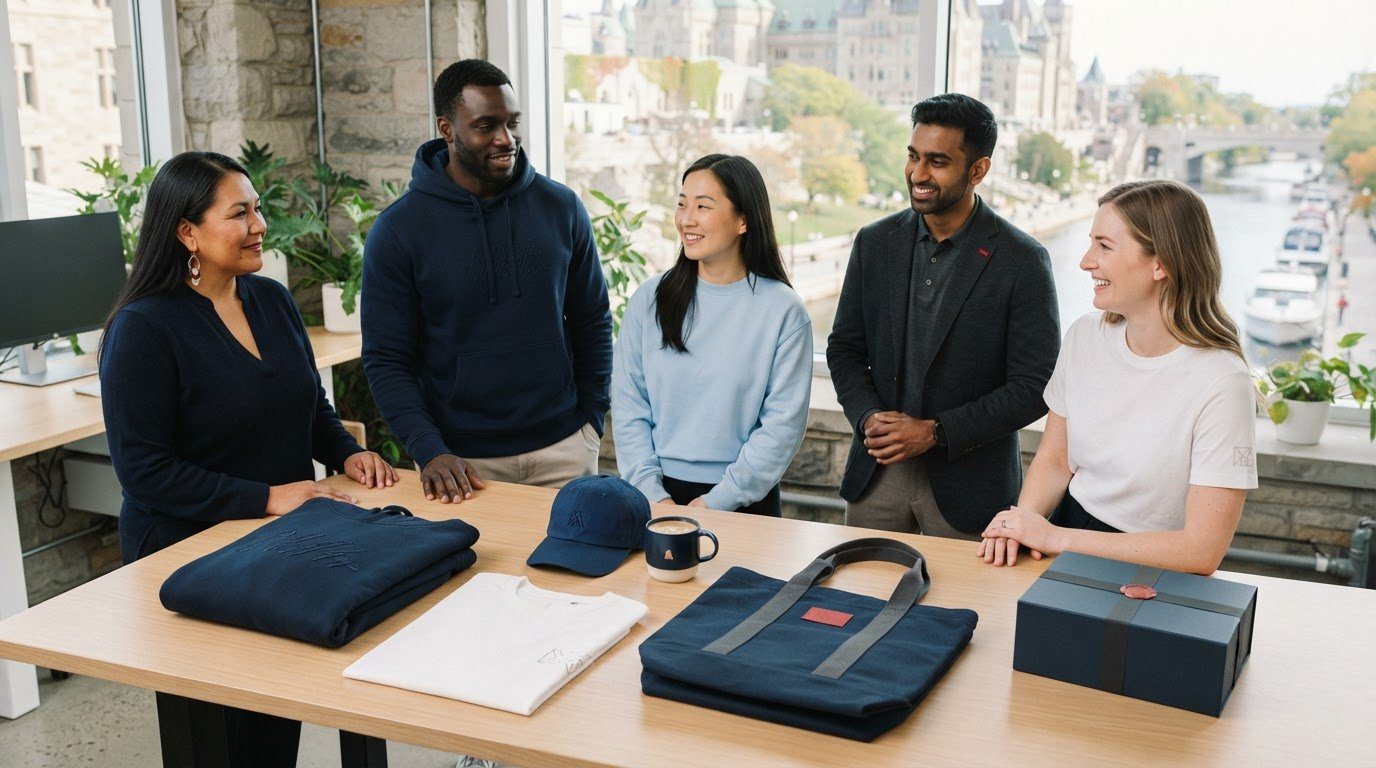
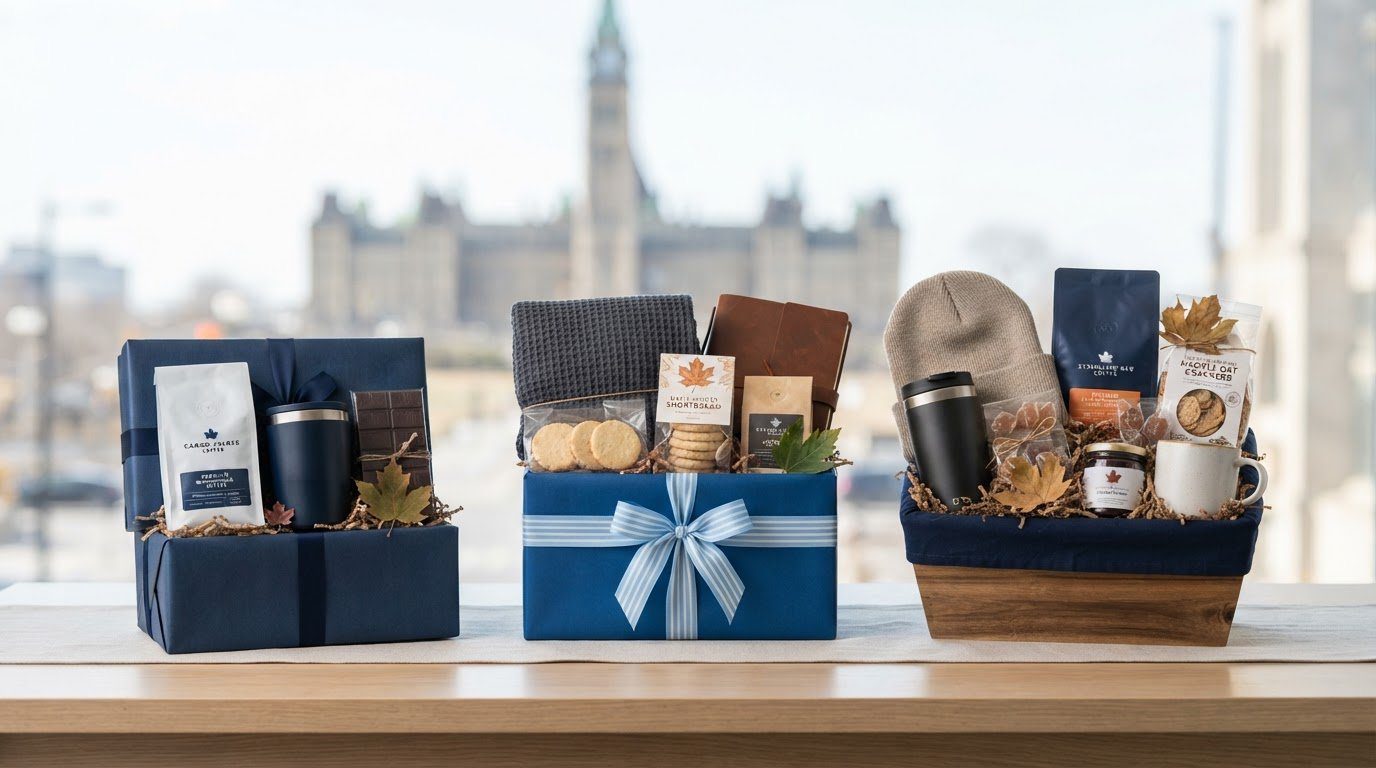
A larger logo won’t make branded merchandise feel more premium. Cohesive choices will. Making your brand look premium with merch starts with matching the product, material, colour, and decoration to the identity you want people to remember, rather than adding a logo as an afterthought.
It’s understandable to worry that low-quality-looking items could weaken your brand. And with options ranging from custom T-shirts and embroidered hoodies to hats and mugs, it can be hard to know what fits, which decoration method suits the design, and how to keep each piece consistent without making it feel generic.
This practical guide will help you choose merchandise that feels useful and considered, understand how fabric, fit, decoration, and presentation shape perceived quality, and prepare the details to confirm before requesting production. You’ll see why a restrained logo placement can work better than a crowded design, and how to build a polished set of items that feels recognizably yours. Whether you’re planning for your team, customers, or an event, the goal is the same: merch that reflects your brand with care.
Key Takeaways
- Start with the audience, occasion, and intended use to narrow down merchandise that feels right for your brand.
- Compare embroidery and DTF printing by the look you want, your artwork, and the specific garment or item.
- Use a consistent colour palette and thoughtful logo placement to make different merchandise pieces feel connected.
- Before requesting production, prepare your artwork, placement instructions, quantity, garment preferences, and timing.
- Making your brand look premium with merch is about choosing useful, suitable items and reviewing the details carefully before approval.
What makes branded merchandise look premium to customers?
Premium branded merchandise isn’t defined by a high price or a prominent logo. It feels intentional, useful, well-finished, and consistent with the brand behind it. A simple test: does this item feel thoughtfully chosen for its audience, purpose, and design? If the answer is yes, it’s more likely to represent your business well.
That’s the heart of making your brand look premium with merch. The product, artwork, decoration, and presentation all contribute to the impression. A familiar item can feel considered when its details are carefully chosen; an expensive-looking item can still feel generic if it doesn’t suit the people receiving it or the way they’ll use it.
How does merchandise shape brand perception?
People experience an item before they study its logo. They notice whether a shirt feels comfortable to wear, whether a mug is useful in their routine, and whether the printed or embroidered detail looks neat. When an item earns a place in someone’s everyday life, your brand remains part of that experience. A product that feels awkward, poorly matched to its purpose, or visually cluttered may be put aside.
Consistency adds another signal of care. A custom T-shirt, embroidered hoodie, and hat don’t need identical layouts, but repeated brand cues, such as a considered colour palette and balanced logo placement, can make them feel like part of the same story. This connects with the dimensions of perceived quality, which include aesthetics and perceived quality: the way a product looks and the expectations its presentation creates.
What separates intentional merch from generic giveaways?
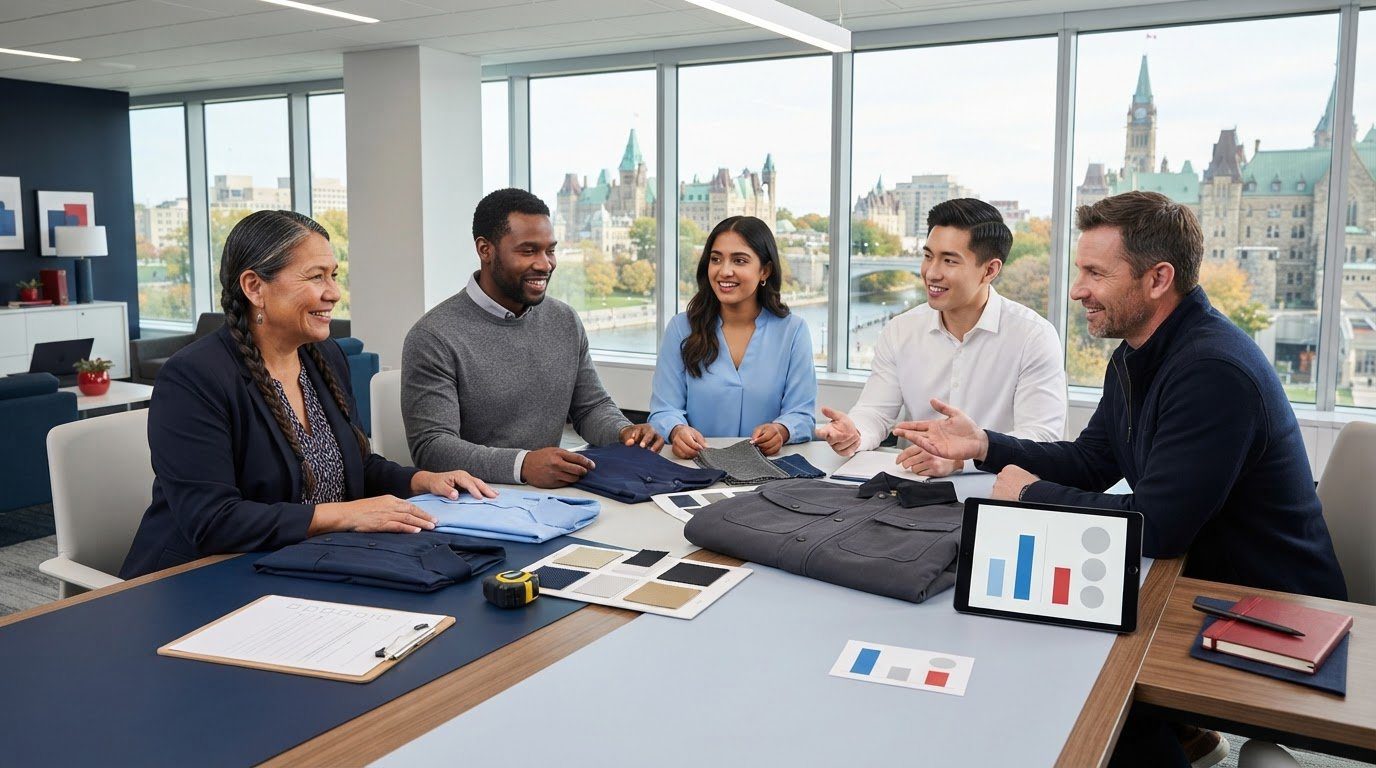
Intentional merchandise begins with the recipient and the occasion. An item for staff may need to suit regular wear, while an event giveaway should make sense for the people attending and be practical to take home. Choosing a product just because it’s familiar or inexpensive skips that decision. Ask what the recipient will do with it, and whether it fits your brand’s character.
Then give the design room to breathe. A modest logo on the chest of a T-shirt or a small embroidered mark on a hat may feel more considered than oversized decoration competing with the garment. A bold graphic can still work when it has a clear purpose and suits the brand. The aim isn’t to make every piece quiet; it’s to make each element feel deliberate.
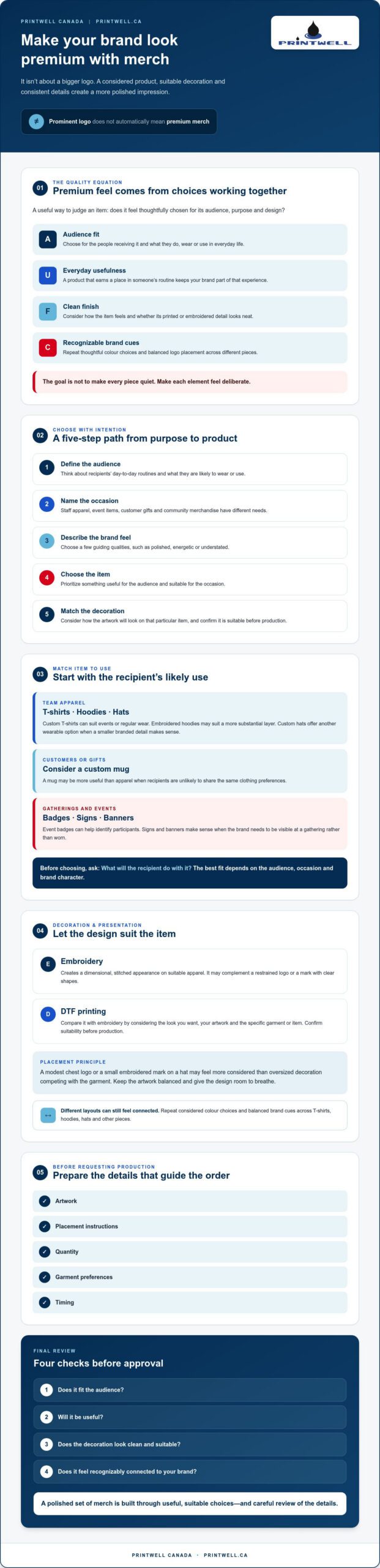
For a quick evaluation, check four things: audience fit, everyday usefulness, a clean finish, and recognizable brand cues. If one is missing, revisit the product or design before production. Premium feel comes from choices working together, not from any single item or decoration method.
How to choose premium-looking merch that fits your brand
The right item depends on who will use it and why. Follow this selection process before settling on a product or decoration:
- Define the audience. Consider what recipients do, wear, or use in their day-to-day routines.
- Name the occasion. Staff apparel, event items, customer gifts, and community merchandise each have different needs.
- Describe the brand feel. Choose a few qualities, such as polished, energetic, or understated, to guide colours and design.
- Choose the item. Prioritize something useful for that audience and suitable for the occasion.
- Match the decoration. Consider how the artwork will look on that particular item, and confirm its suitability before production.
This framework makes making your brand look premium with merch a matter of fit, not simply picking the item that appears most expensive.
Which merchandise works for different audiences and occasions?
How should you match decoration to the brand experience?
Embroidery can create a dimensional, stitched appearance on suitable apparel, which may complement a restrained logo or a mark with clear shapes. DTF printing is another method to discuss for printed apparel, especially when the design’s details and colours matter. Neither method is automatically the better choice: the garment, artwork, and intended look all affect suitability.
Keep the visual treatment consistent across items without forcing every design into the same placement. A small stitched mark on a hoodie and a carefully sized printed graphic on a T-shirt can still feel connected through shared colours and recognizable artwork. For a deeper look at stitching choices, consult The Power of Custom Embroidery: A Comprehensive Guide to Premium Branding in Canada.
Once you’ve narrowed down the audience, item, and decoration, a printing partner can help you consider the choices together. Ottawa-area businesses can explore apparel and decoration options with Printwell Canada’s custom printing services; customers can also order online, with nationwide shipping available.
How do materials, artwork, and decoration affect perceived quality?
The garment sets the foundation, while the artwork and decoration determine how your brand sits on it. A crisp, well-proportioned design can look polished; cramped lettering or poor contrast can make even a carefully chosen item feel unfinished. For making your brand look premium with merch, assess the whole combination rather than choosing a decoration method in isolation.
Embroidery or DTF printing: which look suits your brand?
Embroidery creates a stitched, dimensional appearance. DTF printing applies printed artwork to apparel, which can be useful to discuss for designs with multiple colours or fine visual details. Neither is automatically more premium. The right fit depends on your design, the specific garment, and how you expect people to wear it.
| Consideration | Embroidery | DTF printing |
|---|---|---|
| Appearance | Raised, stitched finish that gives a logo texture. | Printed design with a smooth, graphic look. |
| Artwork | Consider whether shapes and lettering will remain clear when stitched at the planned size. | Review detail, colour, and legibility at the intended print size. |
| Possible use | May suit a simple mark on suitable apparel, such as a hoodie or hat. | May suit artwork intended to read as a printed graphic on a suitable garment. |
These are general comparisons, not a guarantee that either method will suit every item. Ask the printer to assess your artwork and garment together. For more background on DTF, see Complete Guide to DTF Gang Sheet Printing in Canada for 2026.
What artwork and placement choices make a logo feel polished?
Check the artwork at its actual intended size. Fine lines, small text, or tight spacing that appear clear on a large screen may lose definition when reproduced smaller. Review proportions, spacing, colour contrast, and legibility, especially if the design will sit on a garment colour that differs from the artwork’s background.
A discreet chest logo can feel balanced on team apparel, while a larger graphic may be appropriate for an event shirt where the artwork is meant to stand out. Choose placement for the garment and purpose, not just because it’s familiar. Keep brand colours and visual cues consistent across pieces, while allowing each layout to suit its product.
Before approving production, request a proof if available and check the design’s size, position, spelling, and contrast. Confirm current garment options and production details with the printer, since suitability depends on the specific product and artwork. Printwell offers custom apparel printing and embroidery; discuss which options may fit your project.
How to plan a branded merchandise order with confidence
A clear brief helps a printer assess what you need and flag questions before production. It also keeps the details in one place, so your merchandise order is easier to review. Before requesting a quote, gather the essentials:
- Purpose and audience: Note whether the items are for staff, customers, an event, or gifts, and how recipients are likely to use or wear them.
- Product preferences: Identify the item you have in mind, such as custom T-shirts, embroidered hoodies, or hats. Share any garment preferences, and ask which options are currently available.
- Quantities and sizes: Estimate how many items you need and, for apparel, provide a size breakdown if known. Confirm order details with the printer.
- Artwork and colours: Gather your logo files, intended colours, and any other artwork. Ask which file formats and specifications are suitable for the product and decoration method.
- Placement and timing: Describe where the design should appear and when you need the order. Confirm the schedule directly rather than assuming a production timeline.
Complete artwork and clear placement instructions give the printer a better basis for assessing how the design may work on the chosen item. If you’re still deciding between embroidery and printed decoration, say so. The printer can discuss which method may suit the artwork and garment; available options should be confirmed for your specific project.
How can you review a proof before production?
If a proof is provided, check it against your brief before approving. Look closely at spelling, logo proportions, colour treatment, spacing, and placement. Make sure the item shown matches your intended product, and verify apparel sizes and quantities against your order details.
Review at the size and position shown, not just as a standalone logo on a screen. Small text may be hard to read at the planned scale, while a design that looks balanced on one garment may need adjustment for another. Ask the provider how revisions and final approval work, and what the proof does and doesn’t represent. Don’t assume that an approval step or revision process is included unless it’s been confirmed.
For Ottawa-area customers, Printwell Canada’s showroom at St. Laurent Shopping Centre is an option for discussing apparel and decoration choices. Customers can also order online, with nationwide shipping available. Before moving ahead, confirm the current product options, decoration method, order details, and schedule. To discuss your branded apparel project, connect with Printwell Canada.
Make premium brand merch with a printing partner that fits
Premium merch comes together through a series of connected decisions: the item should fit your brand and audience, suit its intended use, and work with the chosen decoration. Careful artwork review and approval help keep those decisions aligned before production. A printing partner can explain product and decoration options, but your team sets the brand strategy: what the merchandise should communicate and who it’s for.
What can an Ottawa custom printer help you evaluate?
Bring your audience, artwork, preferred item, and intended use into the conversation. Ask about garment choices, whether embroidery or printing may suit the design, what artwork files are appropriate, and which products are currently available. Confirm order requirements, minimum quantities, and schedule directly with the provider, since these details can vary by project.
Printwell Canada offers custom apparel printing and embroidery, including custom T-shirts, embroidered hoodies, and custom hats, alongside promotional items such as custom mugs and event badges. These are options to consider, not a one-size-fits-all prescription. The best fit depends on your design, recipients, and plans for the items.
What are the next steps to bring your merch idea to life?
Before you reach out, write down four essentials: who will receive the merch, how they’ll use or wear it, what visual direction feels true to your brand, and what you know about the likely quantities and timing. That short brief gives a provider a practical starting point and helps you assess recommendations against your original purpose.
Then review the proposed product and decoration together. Ask what needs confirmation, what the proof represents, and how approval works. This final check helps ensure the item, artwork, and production details still support the impression you want to make. It’s a practical last step in making your brand look premium with merch, without relying on a logo alone to carry the experience.
Ottawa-area businesses can visit Printwell’s showroom at St. Laurent Shopping Centre to explore options. Online ordering is also available, with nationwide shipping. If you’re ready to take the next step, explore Printwell’s custom printing services and discuss which available products and decoration choices may suit your project.
Put your brand’s next merch idea into motion
Thoughtful merchandise begins with a clear purpose. Choose items that suit the people receiving them, keep the visual details aligned with your brand, and confirm the production requirements before approving an order. Those choices make making your brand look premium with merch less about appearances alone and more about creating a considered experience.
The right printing partner can help you assess product and decoration options while you stay in control of the brand direction. Printwell Canada offers custom apparel printing and embroidery, along with promotional products. Ottawa-area businesses can visit the showroom at St. Laurent Shopping Centre, and customers can order online with nationwide shipping.
Have an idea taking shape? Explore custom apparel and promotional printing with Printwell and take the next step at a pace that works for your project. A clear brief and a few well-considered choices are a strong place to begin.
Frequently Asked Questions
What makes branded merchandise look premium?
Branded merchandise looks premium when the item, finish, and design feel intentional and work together. Choose something relevant to its recipient, make sure the artwork is clear at its actual size, and use decoration that suits the garment or product. A useful item with tidy, balanced branding often feels more considered than a more elaborate giveaway that doesn’t fit the audience or occasion.
How can a small business make merch look more expensive?
Focus on thoughtful details rather than trying to make every item look costly. Select a product people are likely to use, keep the design uncluttered, and pay attention to colour contrast, logo scale, and placement. Before production, review a proof and confirm the garment or item suits the intended use. These choices help small businesses approach making their brand look premium with merch without relying on oversized logos or flashy decoration.
Is embroidery or printing better for premium branded apparel?
Neither method is always better; the right choice depends on the design, garment, and desired appearance. Embroidery gives a logo a stitched, dimensional look and can suit a simple mark on appropriate apparel. DTF printing may suit artwork with multiple colours or finer visual details. Ask the printer to assess the actual garment and artwork together, since not every design or product is suitable for both methods.
What merchandise is best for a professional brand?
Can a logo be too large on branded merchandise?
Yes. A logo can dominate an item, compete with its design, or feel out of balance if it’s larger than the purpose calls for. A smaller chest mark may suit staff apparel, while a larger graphic can make sense for an event shirt designed to stand out. Check the artwork at its intended size and placement, and consider whether the logo remains legible without overwhelming the product.
What should I send a printer before ordering custom merch?
Send your logo or artwork files, intended colours, preferred item, placement notes, estimated quantities, and any known apparel sizes. Explain who will use the merchandise and when you need it, so the printer can assess the project in context. Ask which file formats and artwork specifications are suitable, and confirm product availability, decoration options, order requirements, and schedule before approving production.
Can I order custom branded merchandise from Ottawa for shipping across Canada?
Yes. Printwell Canada is based in Ottawa, Ontario, offers online ordering, and ships nationwide. Ottawa-area customers can also visit its showroom at St. Laurent Shopping Centre to explore available options. Printwell offers custom apparel printing and embroidery, along with promotional products such as custom mugs and event badges. Confirm current product availability, order details, and timing directly before placing an order.